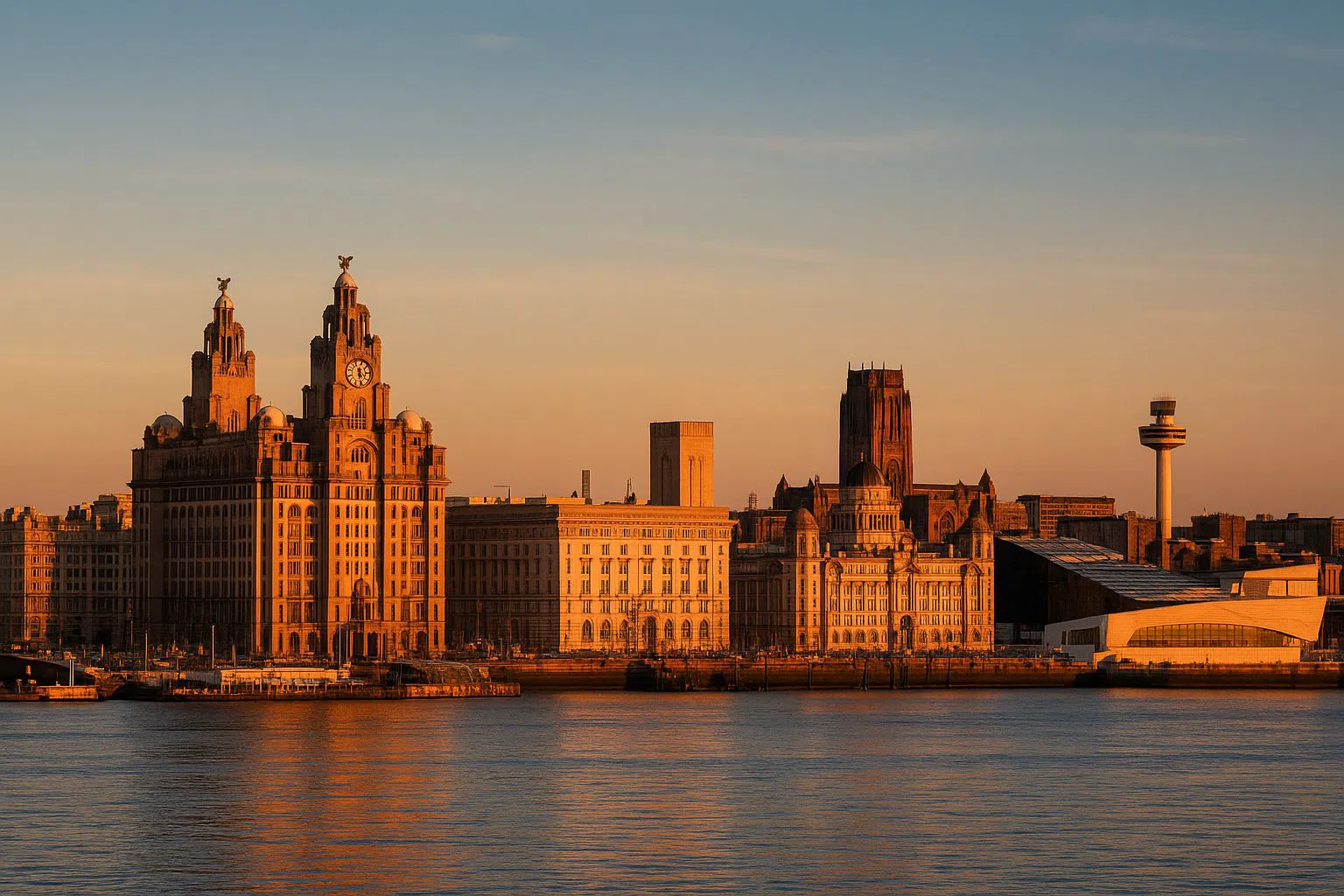
The Liverpool issue, October 2026
Liverpool
Liverpool is defined by its relationship with the River Mersey and a fierce, independent spirit.
Plan your Liverpool trip
Live prices from our booking partners.
Guests & rooms
Free cancellation on many rooms. We may earn a commission when you book.
The Liverpool reading list
All 18 Liverpool stories
Tours and ticketsThe lead story
Walking Liverpool's Royal Albert Dock in October
The quaysides are free and best before ten, but October is when half this waterfront changes its opening hours. Here is what is open, what stays dark until 2028, and the one week worth building the trip around.
Ola Zielinska
Tours and tickets
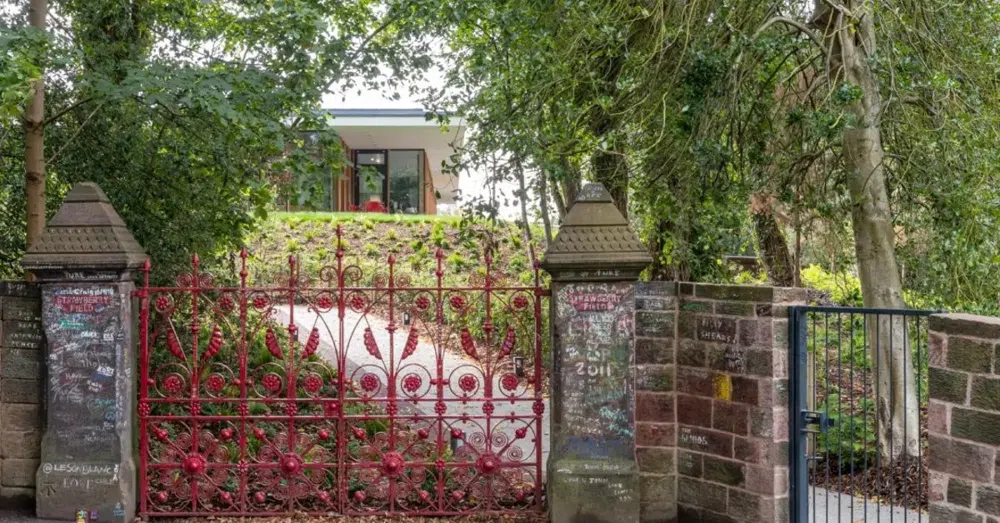
Liverpool's Strawberry Field Gates and Gardens in October
What £12.45 gets you at Strawberry Field in October 2026, plus the free Woolton walk that fills the rest of the day.
Ola Zielinska
Tours and tickets
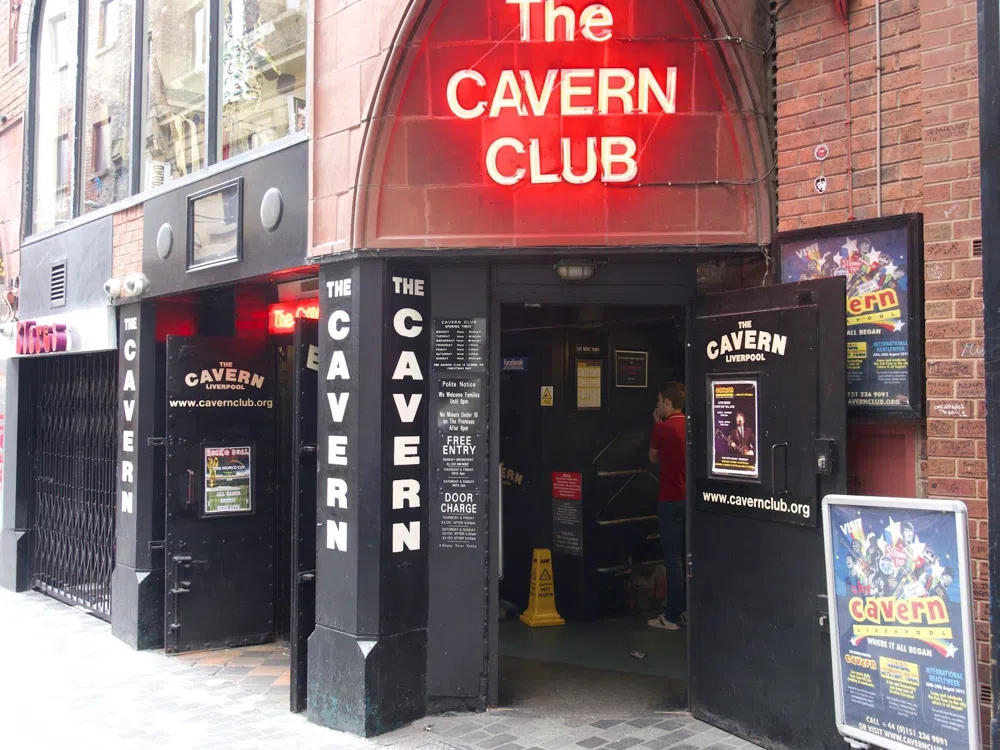
Liverpool's Cavern Club cellar on an October night
Door prices, the first band at 11:15 a.m., the under-18 cutoff, and how to fill the daylight either side of a Cavern Club session in October 2026.
Frankie Doyle
Two Days in Liverpool Built Around an Anfield Match
How to book, eat, drink and sleep around a first match at Anfield without losing the weekend to taxi rides and queues.
Ola Zielinska
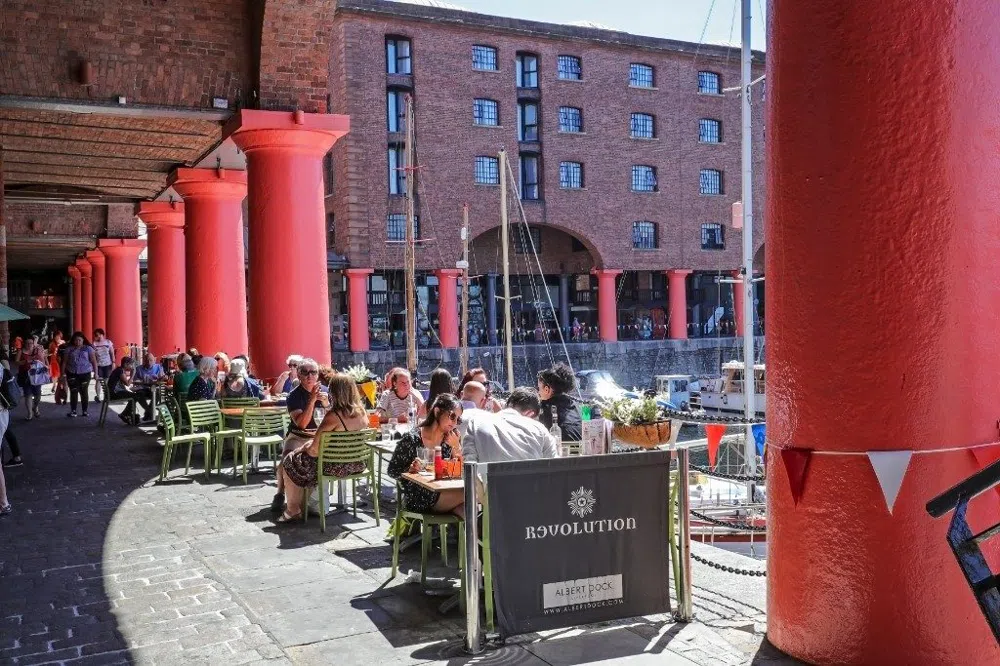
Liverpool on the Water: The Docks, the Three Graces and a City Reborn by the Mersey
A calm, practical walking guide to Liverpool's waterfront in 2026 — the Grade I docks, the Three Graces, the river cruises and the regenerated northern quays, with real timings and honest advice on what suits groups and what suits couples.
Ola Zielinska
More from the Liverpool issue
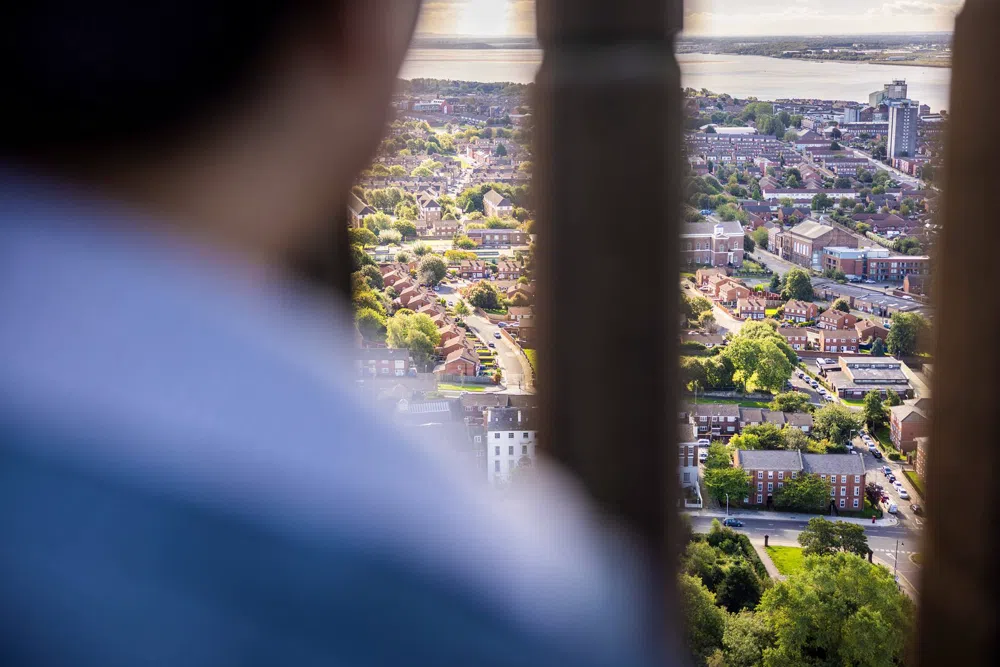
Where to Look Down on Liverpool and What It Costs
Ola Zielinska
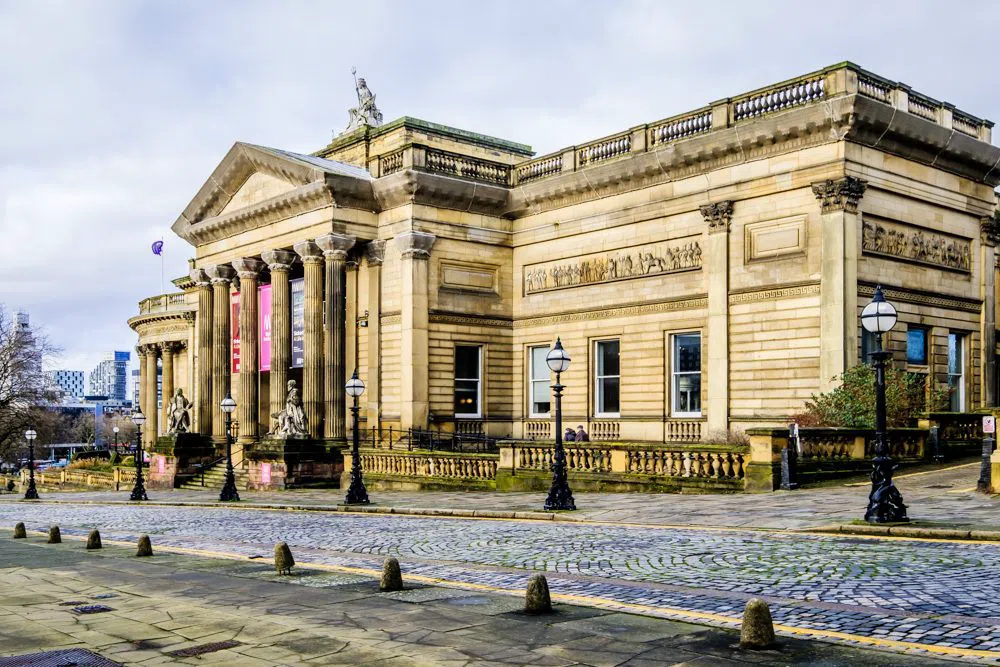
Liverpool in the Rain, From Lime Street to the Docks
Ola Zielinska
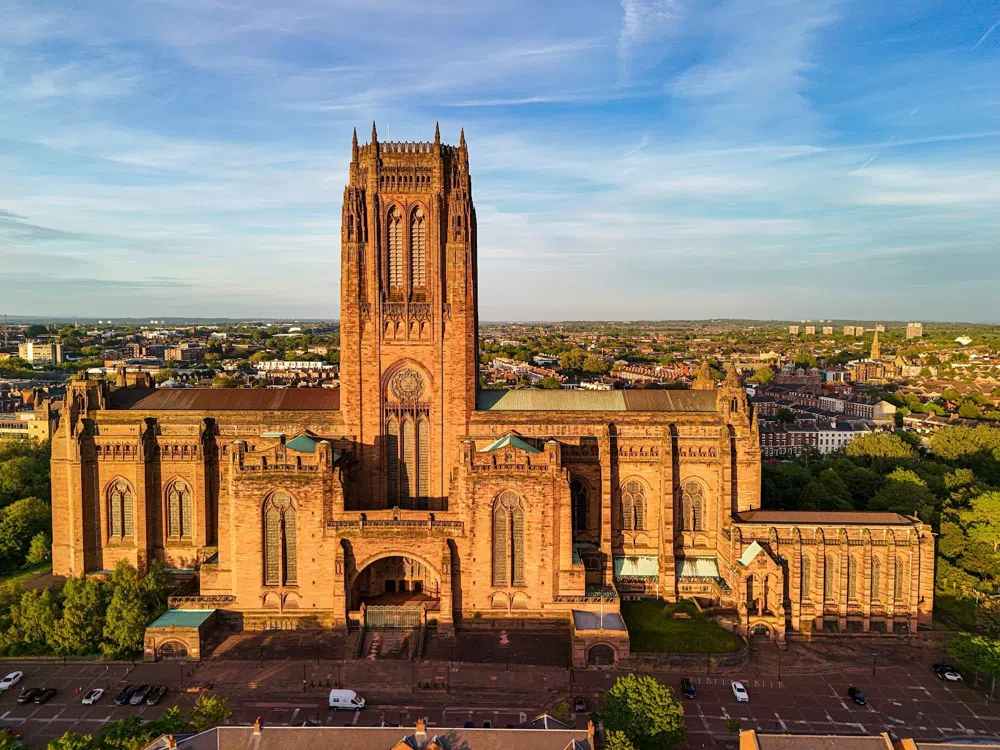
Liverpool's Two Cathedrals and the Street Between Them
Ola Zielinska
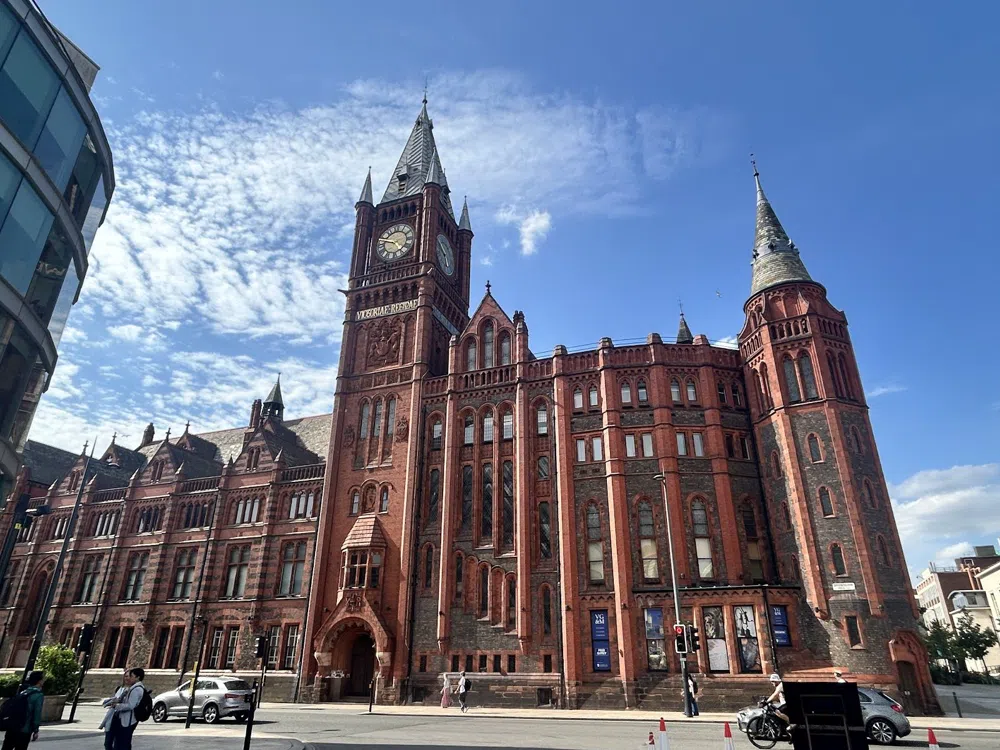
Bunkers, Tunnels and Small Museums in Liverpool
Ola Zielinska
A Liverpool Weekend Without the Beatles
Marco Fusco

Liverpool's Gangland Streets and the Peaky Blinders Trail
Ola Zielinska
Tours and tickets
Pedal a Beer or Prosecco Bike Round Liverpool's Baltic Triangle
Ola Zielinska
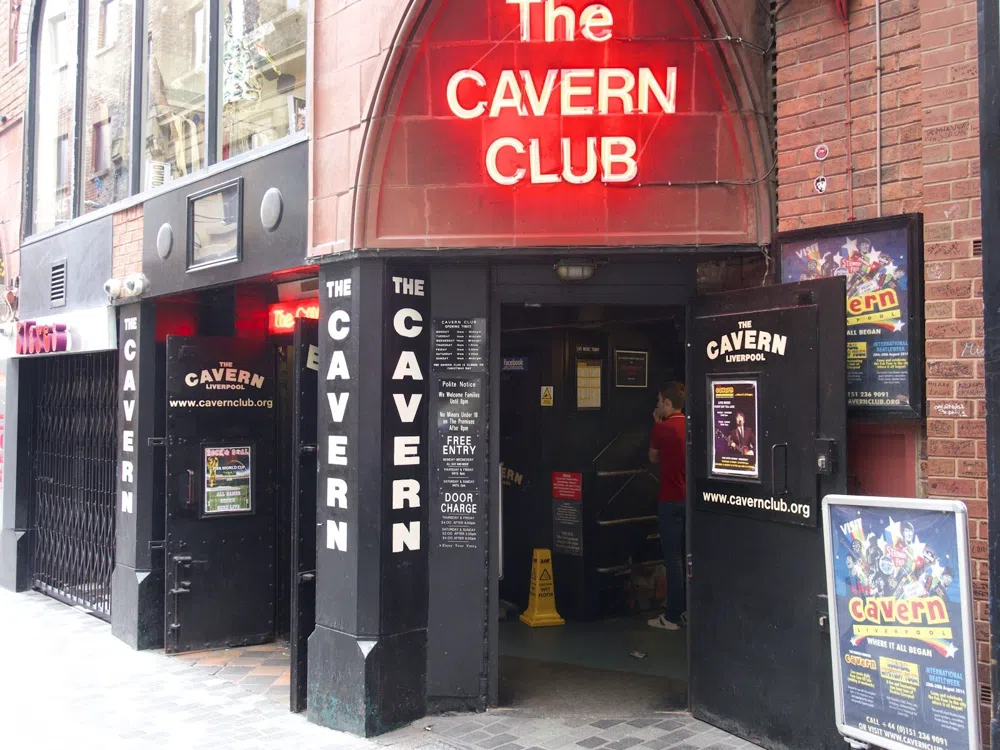
The Beatles' Liverpool — the real streets behind the songs
Marco Fusco
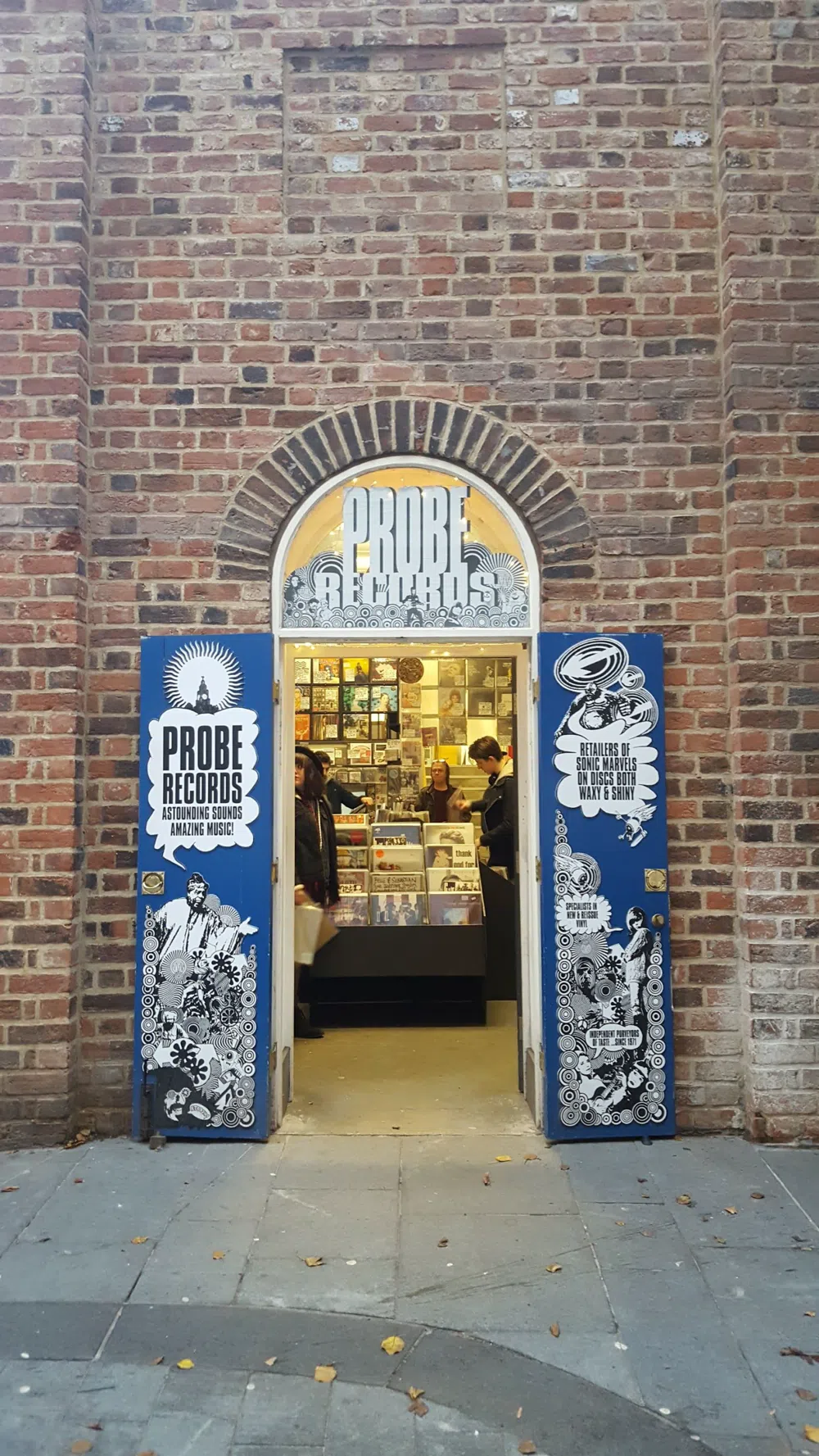
The Vinyl City: Liverpool's Record Shops and the Culture That Outlasted the Merseybeat
Ola Zielinska
Tours and tickets
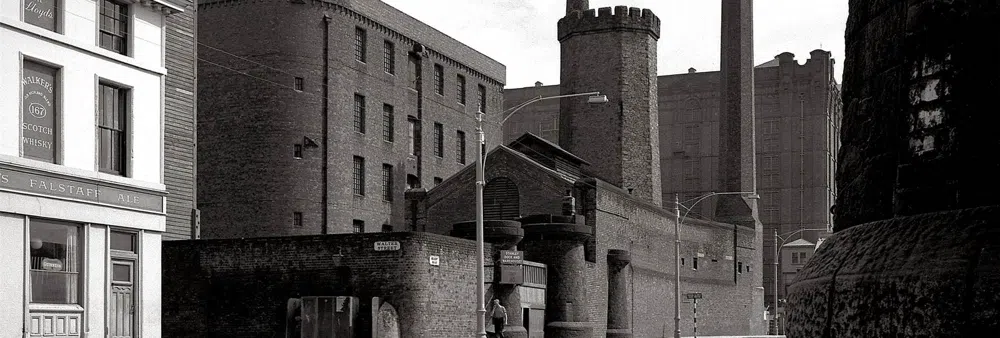
Liverpool's Peaky Blinders Locations From the Back of a Cab
Ola Zielinska
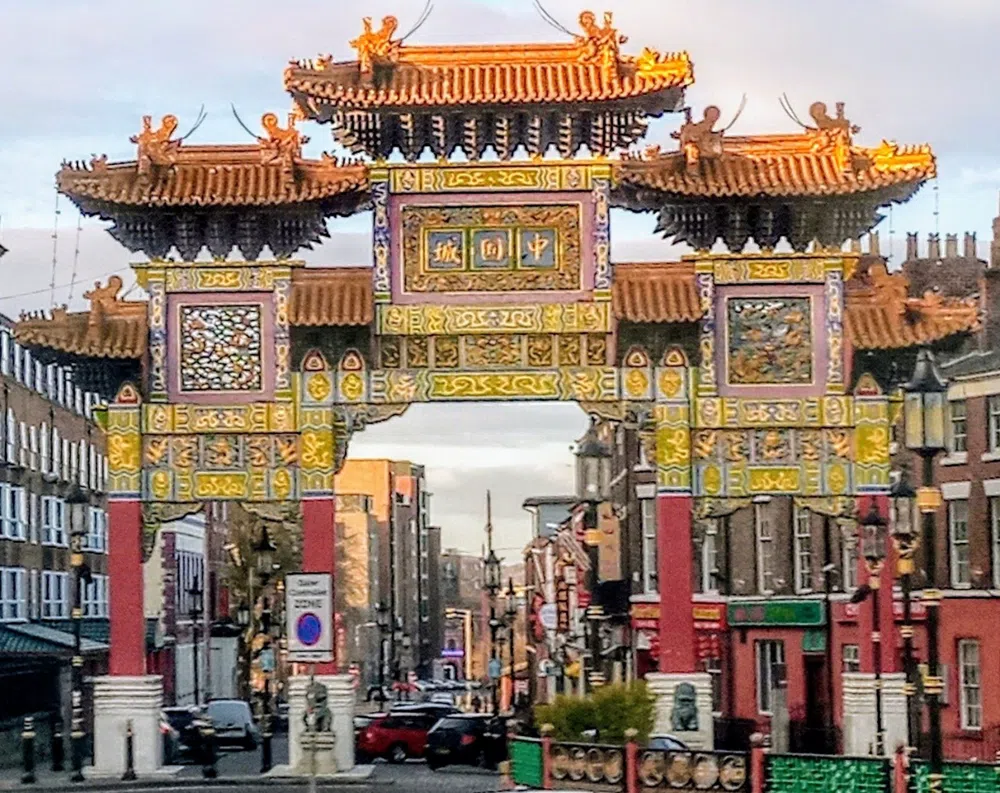
Walking from Liverpool's Chinese Arch Down to the Docks
Ola Zielinska
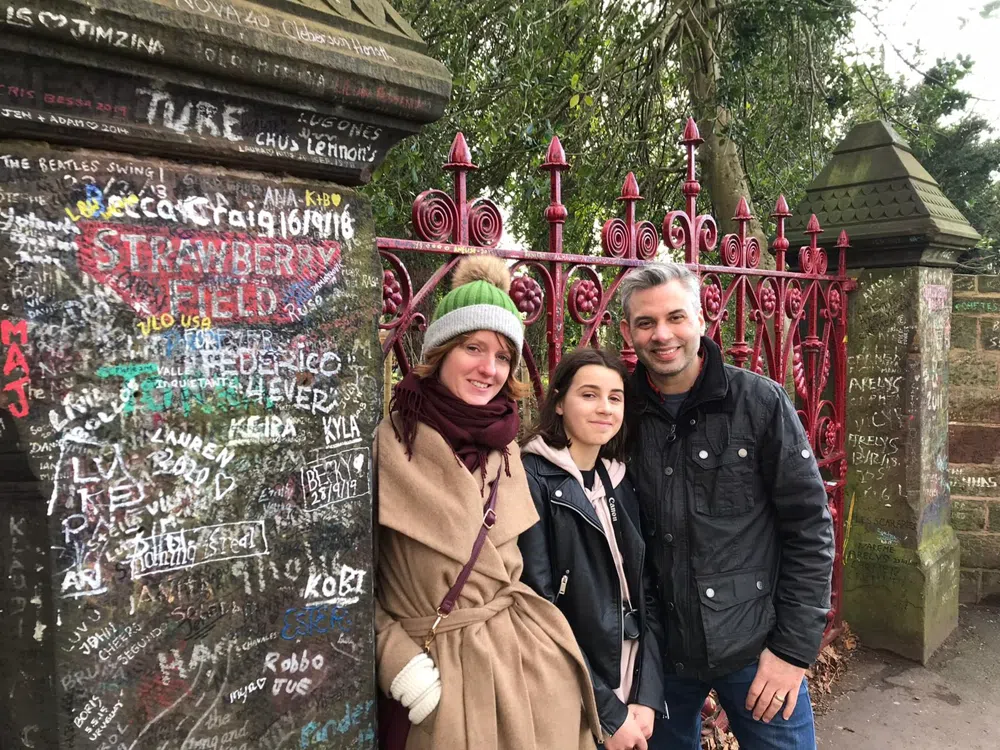
Where to Hear Real Scouse Spoken in Liverpool
Ola Zielinska

Sixteen Day Trips from Liverpool, All by Train
Ola Zielinska
An insider’s read on Liverpool
The story of Liverpool is one of rapid ascent, devastating decline, and stubborn survival. In the nineteenth century, it was the second city of the British Empire, controlling a vast portion of global trade. This wealth funded the grand civic architecture that still lines the waterfront.
The twentieth century brought severe economic challenges as containerization and shifting trade routes left the docks empty. Rather than fading, the city relied on its cultural capital, exporting music, fashion, and football to the world. Today, that survivalist grit translates into a proud, left-leaning, and highly creative local character that resists national conformity.
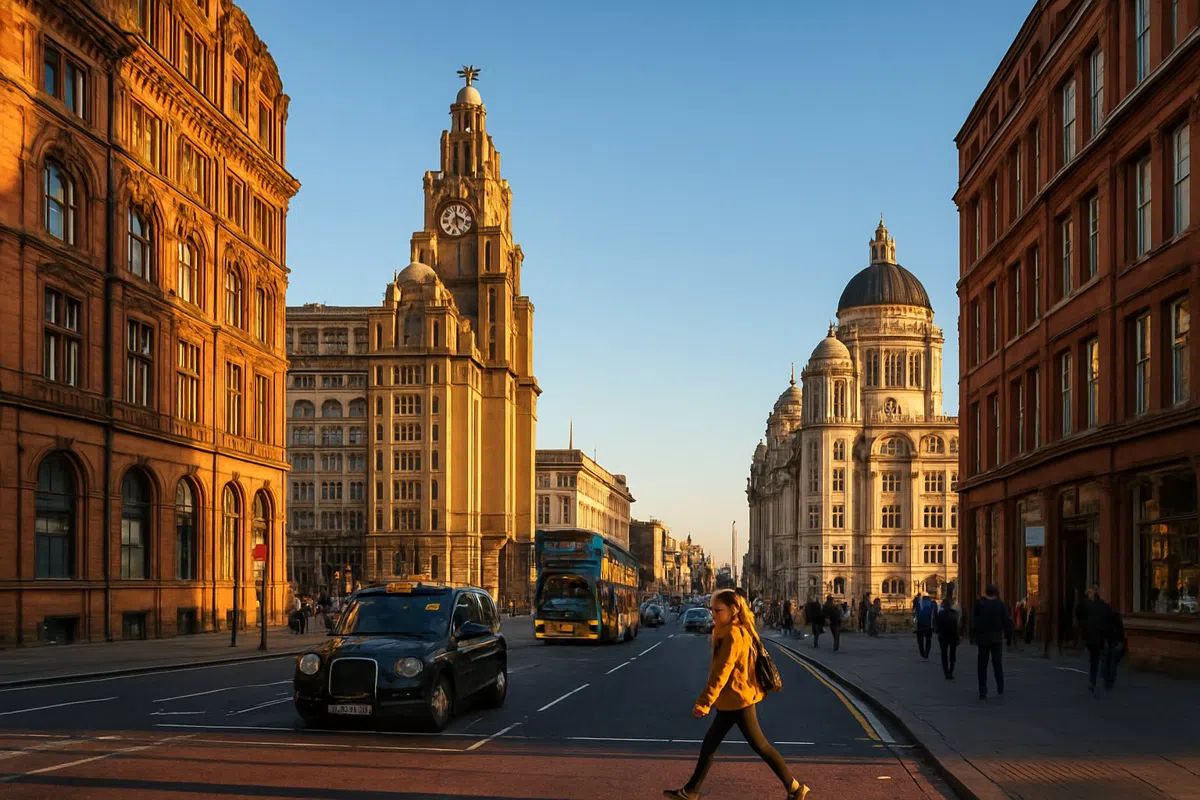

Liverpool is defined by its relationship with the River Mersey and a fierce, independent spirit. The city does not do things quietly. Its architecture is monumental, built on the immense wealth of a nineteenth-century global shipping empire, yet its modern energy is driven by a restless, self-deprecating creative class. Visitors often arrive expecting a museum dedicated entirely to 1960s pop music, but they find a complex, post-industrial city that has reinvented its docklands into hubs of digital art, independent dining, and underground nightlife. There is a distinct lack of pretension here. The local identity is so strong that it can feel like a distinct territory within the country. This is a place where conversation is treated as an art form, and the hospitality is famously warm, if occasionally sharp-tongued. From the grand neoclassical stone of St George's Hall to the red-brick warehouses of the Baltic Triangle, the city physicalizes its transitions from imperial port to cultural powerhouse.
From our Liverpool guide
Six neighbourhoods, six ways to stay
Pick the neighbourhood first and the trip follows. Each one opens its own guide, with the hotels inside it.

Royal Albert Dock & Waterfront
First-time visitors and museum lovers. The trade-off is that it can feel highly commercialized and lacks the gritty authenticity of the inner neighborhoods.
A historic waterfront lined with the largest single collection of Grade I-listed buildings in the country. It feels grand, breezy, and distinctly maritime.
Where to stay Converted warehouse hotels offer excellent views, though they carry a premium.
Stay in Royal Albert Dock & Waterfront
Ropewalks
Food lovers, vintage shoppers, and nightlife seekers. The trade-off is that it is noisy late into the night, especially on weekends.
An energetic grid of nineteenth-century warehouse streets defined by independent shops, bars, and street art. Bold Street is the culinary spine.
Where to stay Boutique apart-hotels and industrial-style loft lodgings.
Stay in Ropewalks
Baltic Triangle
Younger travelers, craft beer enthusiasts, and fans of electronic music. The trade-off is that it still looks quite industrial and raw in places.
The creative heart of the city, where former industrial warehouses have been converted into skateparks, breweries, tech hubs, and street-food markets.
Where to stay Modern, minimalist apartments and budget-conscious design hotels.
Stay in Baltic Triangle
Georgian Quarter
Architecture enthusiasts, academics, and those seeking a quieter, more refined stay. The trade-off is that it is a uphill walk from the waterfront.
An elegant, quiet enclave of cobblestone streets, grand terraced townhouses, and traditional pubs, framed by two massive cathedrals.
Where to stay High-end boutique hotels and historic guest houses.
Stay in Georgian Quarter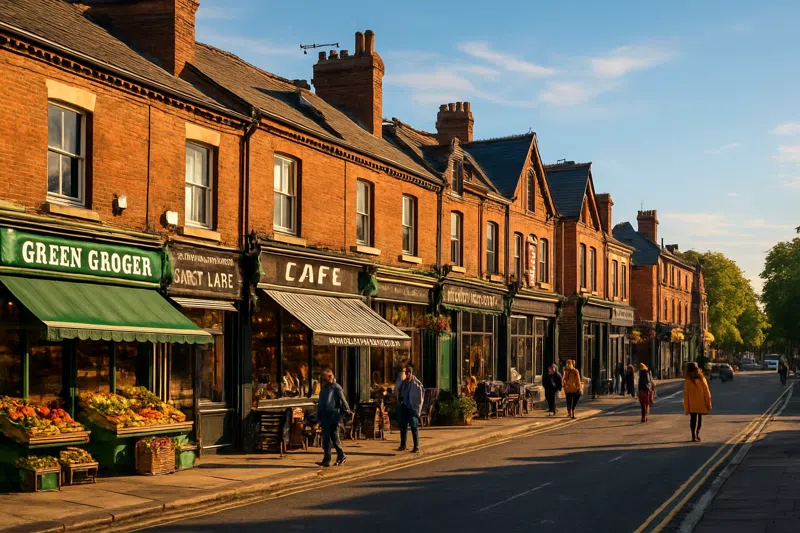
Lark Lane & Aigburth
Slow travelers and families who want a village feel near a grand Victorian park. The trade-off is that it is a ten-minute train ride from the centre.
A bohemian neighborhood south of the city centre. Lark Lane is a narrow street packed with independent cafes, green-grocers, and bohemian bars.
Where to stay Victorian bed and breakfasts or rental apartments near Sefton Park.
Stay in Lark Lane & Aigburth
Business District & Dale Street
Business travelers and those looking for traditional, historic pubs. The trade-off is that it can feel quiet and empty on Sundays.
A grand, Victorian-era commercial district that feels serious by day but transforms into a lively pub-crawling route by night.
Where to stay Upscale business hotels housed in grand, repurposed insurance buildings.
Stay in Business District & Dale StreetBook before you land
Top-rated tours and tickets in Liverpool, with live prices from Viator.

Beatles Famous Walking Tour of Liverpool - Shore Excursion
from $39

Beatles City Taxi Tours (3 hour duration)
from $197

The Beatles: Lennon and McCartney Songwriting History Tour
from $333

Qualified Guide: Liverpool Waterfront, City Centre & Beatles Tour
from $34

Inspirational Women Liverpool Past-Present History Tour - monthly
from $33

The Ultimate Private Beatles Tour of Liverpool
from $211

The Music and Art of Sefton Park
from $41

Beatles Maniacs Private Exclusive Experience + See The Cavern
from $80
Prices from Viator; we may earn a commission when you book — at no extra cost to you. Tours are sold and operated by Viator, the merchant of record. Ratings are collected by Viator and Tripadvisor.
Book direct
Book a hotel in Liverpool
Loading live availability and real-time prices…
The Liverpool guide
Where to eat, drink and look, how to get around, and what locals expect of you. Open any chapter.
Timing
When to visit
Spring
April brings the Grand National horse racing festival, which takes over the city. Temperatures are cool but rising, and the parks begin to flower.
Summer
June to August is peak festival season, with events like Africa Oyé and Sound City. The waterfront is lively, though hotel prices spike significantly.
Autumn
September and October see the return of the large student population, injecting fresh energy into the nightlife and independent venues on Bold Street.
Winter
November to February is cold, damp, and windy off the Mersey. However, the city's historic pubs are exceptionally cozy, and accommodation rates drop.
What it costs
Budgeting
Logistics
Getting around
From the airport
Liverpool John Lennon Airport (LPL) is located about nine miles south of the city centre. The Arriva 500 Express bus runs directly from the terminal to Liverpool One Bus Station in approximately 35 minutes. Alternatively, local buses connect to nearby Liverpool South Parkway station, where frequent Merseyrail trains run into the central stations.
Public transit
The Merseyrail network is highly efficient, connecting the city centre with the Wirral peninsula and northern suburbs like Crosby. For central areas, the bus network operated by Arriva and Stagecoach is extensive, though the compact nature of the core means you will rarely need it.
Passes & tickets
The Saveaway ticket is a cheap, off-peak day pass valid on all local trains, buses, and the Mersey Ferry within the Merseyside region, costing in the € band.
On foot
Extremely high. You can walk from the cathedral in the Georgian Quarter down to the waterfront in under twenty-five minutes. Most central attractions, restaurants, and bars are clustered within comfortable walking distance of each other.
Local etiquette
Safety & etiquette
- Never buy or carry 'The Sun' newspaper. It is widely boycotted across the city due to its historical coverage of the 1989 Hillsborough football disaster.
- Do not mock the local accent (Scouse). Locals are fiercely proud of their identity and do not appreciate being patronized.
- Engage in conversation. Liverpudlians are exceptionally talkative; ignoring a friendly remark in a pub is considered cold.
Travel smart
Practical tips
- Buy a Saveaway ticket if you plan to use the trains and buses on the same day; it is much cheaper than buying single tickets.
- Avoid Concert Square on Friday and Saturday nights if you dislike loud, chaotic, and drunken crowds.
- Book your table at popular restaurants like Maray or Hawksmoor well in advance, especially for weekend dining.
- Wear comfortable walking shoes; the city's historic streets are often cobbled and best explored on foot.
- Check the cruise ship schedule; the waterfront and Albert Dock museums get exceptionally busy when large liners are in port.
- Always carry a light windproof jacket, as the breeze coming off the River Mersey can be biting even in the summer.
Before you go
Liverpool FAQs
Is Liverpool safe for solo travelers?
Yes, it is very safe. The locals are famously helpful and approachable, making it easy to ask for directions or recommendations.
How many days do I need in Liverpool?
Three days is the ideal amount of time. This allows you to explore the waterfront, the creative quarters, the cathedrals, and take a quick trip to the coast.
Do I need to book football tickets in advance?
Yes, absolutely. Tickets for Liverpool FC matches at Anfield are incredibly difficult to get and must be purchased months in advance through official channels.
What is Scouse?
It is a traditional slow-cooked stew made of beef or lamb, potatoes, carrots, and onions, typically served with pickled beetroot and crusty bread.
Is the tap water safe to drink?
Yes, the tap water in Liverpool is of excellent quality and perfectly safe to drink.