
Hope Street runs for barely half a mile up a low Liverpool hill, and yet no other street on earth has a cathedral of a different faith holding down each end of it. Walk it in one go and you cover the best part of a century of architectural argument in under fifteen minutes — a soot-dark Gothic giant that took 74 years to finish, and a concrete crown that went up in a fraction of that time. Locals have nicknames for both, and neither is entirely affectionate, which tells you something about how seriously this rivalry is still taken in 2026.
Liverpool Cathedral: The Slow Giant
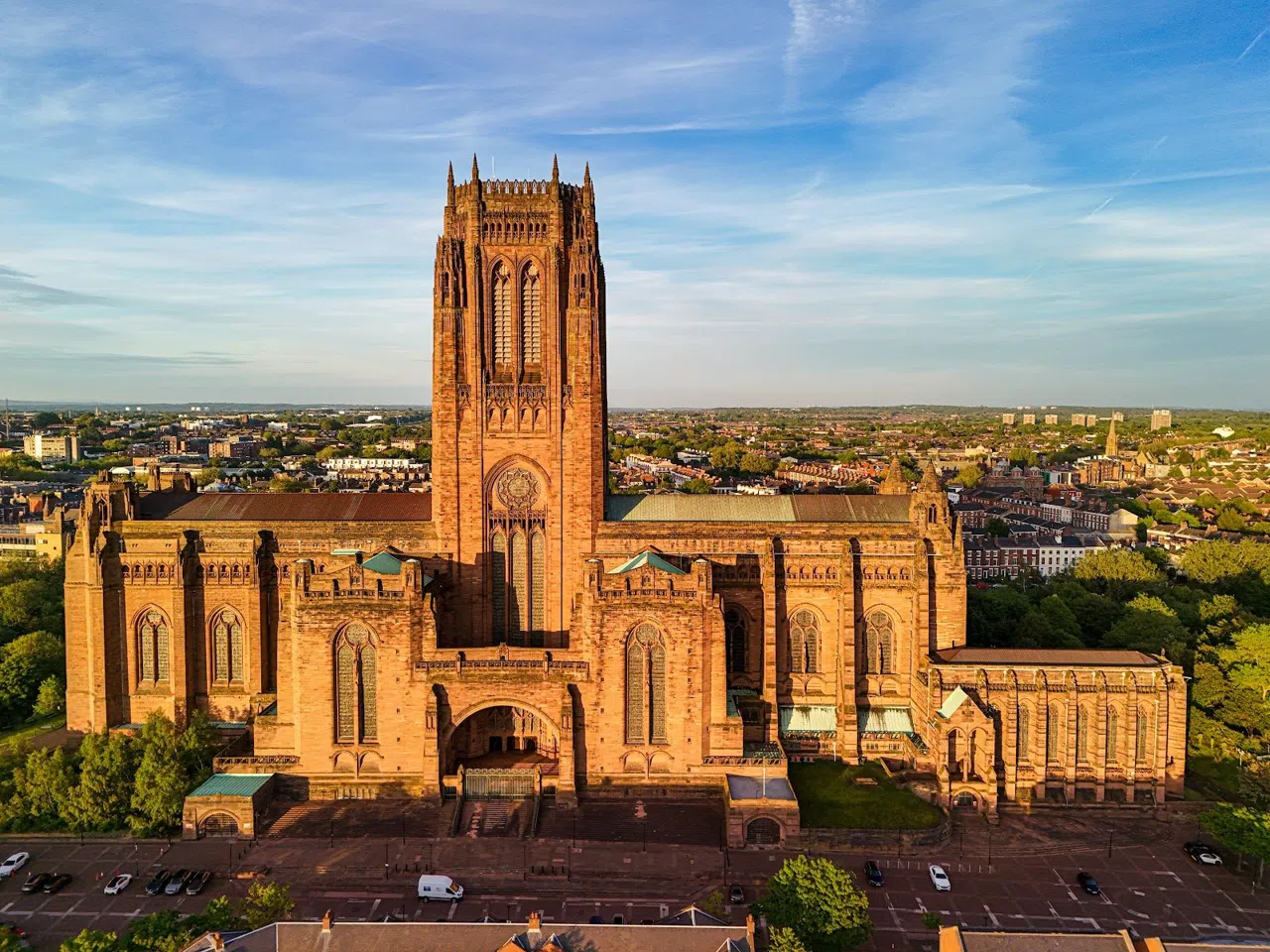
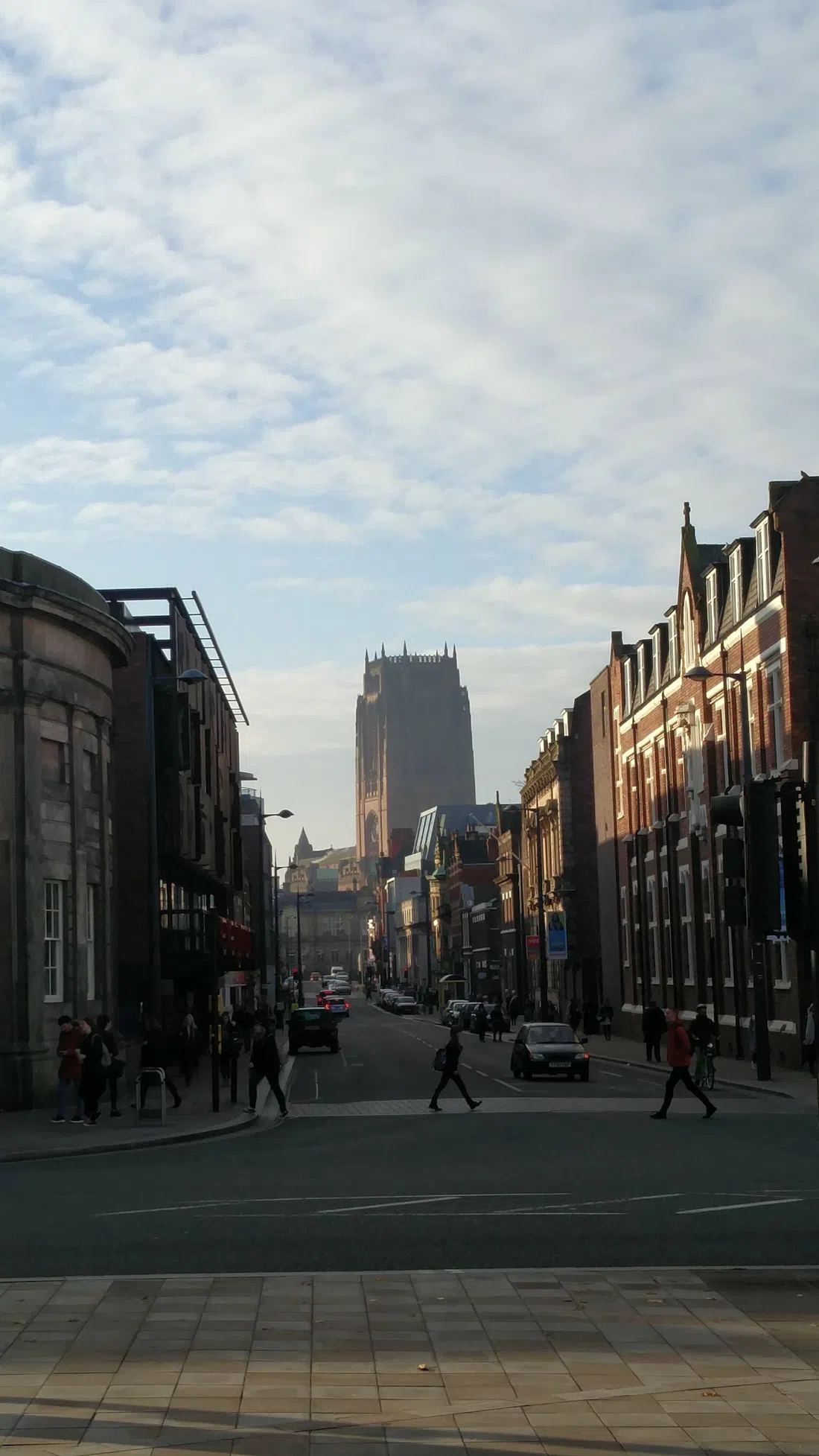
At the southern end of Hope Street sits Liverpool Cathedral (Anglican) (south Hope Street), a red sandstone bulk that took most of the twentieth century to complete. Building started in 1904 and didn't stop until 1978 — 74 years, two world wars, and a change in architectural fashion so complete that by the time the last stone went in, the Gothic style it was built in had gone from cutting-edge to deliberately, defiantly old-fashioned. That's the joke sitting quietly inside the whole street: a cathedral finished in the era of punk rock, built to look like it belonged six hundred years earlier.
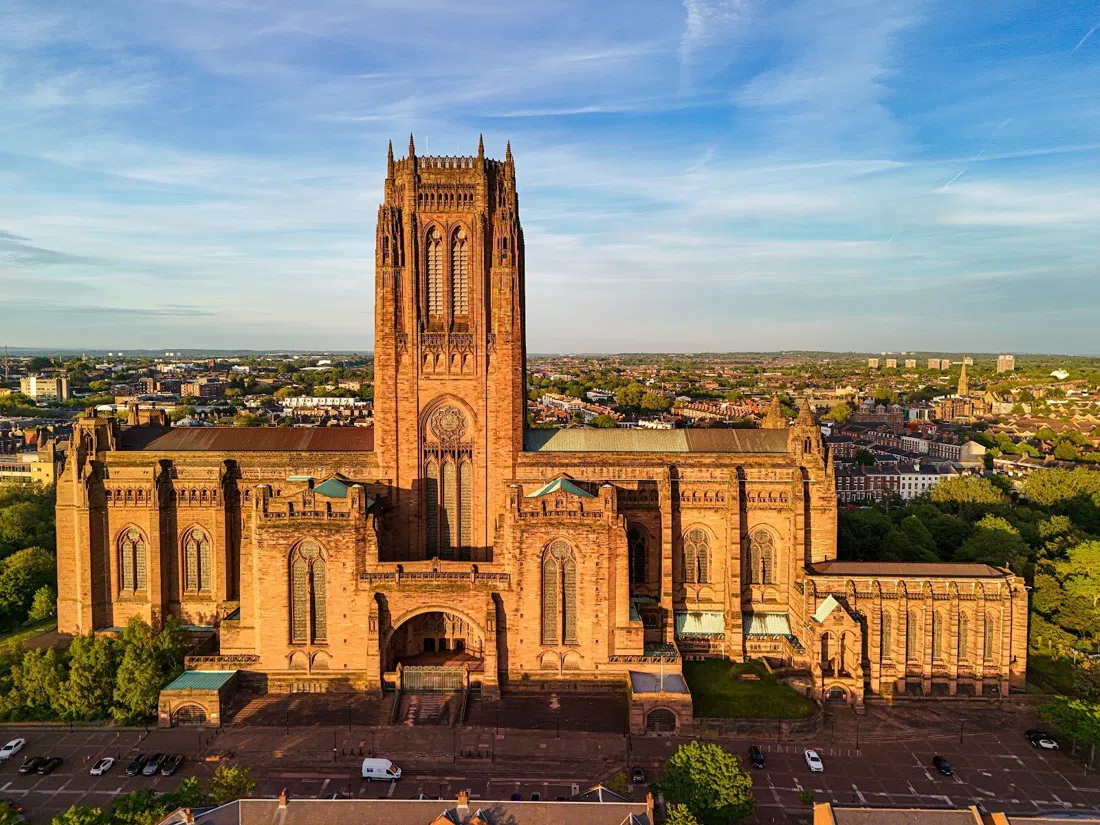
It's open daily 8am-6pm in 2026, and general entry is free — you can walk in, sit in the nave, and take in the scale of the place for nothing. For groups there's a dedicated group-tour booking route, with gallery tours at £10 per person; if you want to go up, the Tower/Above & Beyond ticket (roughly £5-£12) takes you onto the roof for a view back down Hope Street to its rival at the other end. Book the tower slot ahead in summer — the lift and stairs both cap how many people go up at once, and it does sell out.
Liverpool Metropolitan Cathedral: The Fast Giant
Walk the length of Hope Street north and you arrive at Liverpool Metropolitan Cathedral (Christ the King) (north Hope Street), consecrated in 1967 — a fraction of its neighbour's build time, and a completely different architectural instinct. Where the Anglican cathedral is stone, vertical and slow, the Metropolitan is circular, modern and topped with a lantern tower that reads as unmistakably a product of its own decade rather than a copy of anyone else's. It isn't what was originally planned for the site: an earlier, far larger design was abandoned before what stands today was built to a new brief.
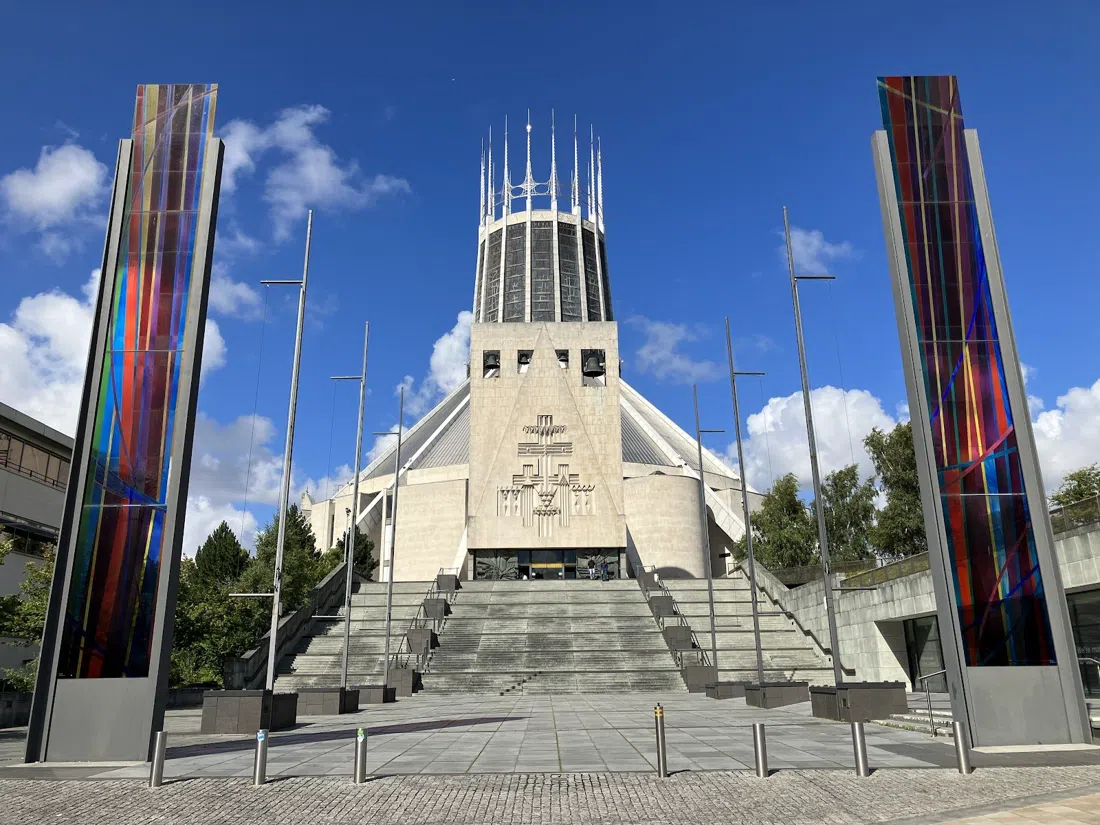
Entry is free, and the cathedral is open daily 7:30am-6pm in 2026. The easiest way in is the Saturday 11:30am guided tour — free, with a suggested £5 per person donation, and no booking required, so it's worth building a Saturday visit around that slot specifically. Larger groups can pre-book instead through the Welcome Desk if a Saturday doesn't fit the trip.
Walking Hope Street: What's Between the Two
Hope Street (Georgian Quarter) is the reason this piece exists at all — it is, genuinely, the only street anywhere with a cathedral of a different denomination anchoring each end, and walking it start to finish takes about 12-15 minutes at an unhurried pace, longer if you stop. It's lined with some of the best-preserved Georgian terraces in the city, and as a public street it takes unlimited groups without any booking at all — this is a route, not an attraction, and it behaves like one.
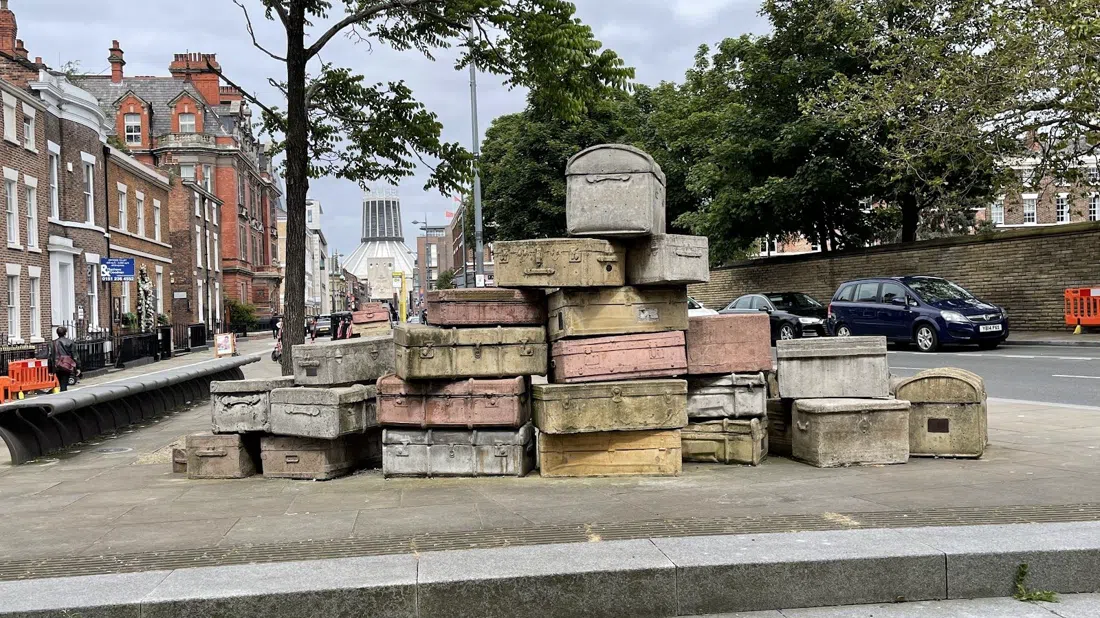
About halfway up, A Case History (Hope Street Suitcases) (mid Hope Street) gives you a reason to slow down: John King's 1998 sculpture — a scatter of bronze suitcases set into the pavement, each one carrying a name connected to the street — is free, open-air and unrestricted, and it makes a good group photo stop without needing much explaining to a reader who's never heard the local names on the cases.
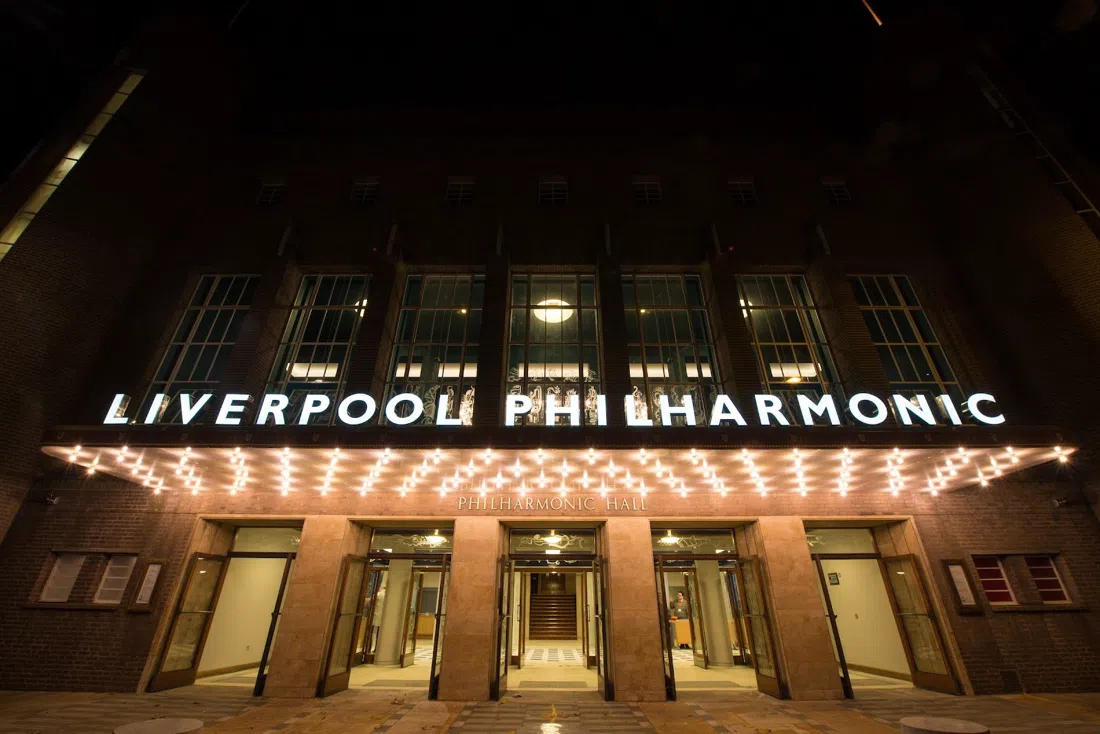
Roughly opposite, Liverpool Philharmonic Hall (Hope Street, between the two cathedrals) has been home to the Royal Liverpool Philharmonic Orchestra since 1849, though the building you see today dates from 1939. You don't need a ticket to look at it — the foyer and exterior are viewable any time the hall is open, for free — but if you want to go further, group bookings are available for concerts, with tickets running roughly £15-£60. Sitting almost exactly between the two cathedrals, it's the quiet third landmark that turns "one hill, two giants" into a three-building story.
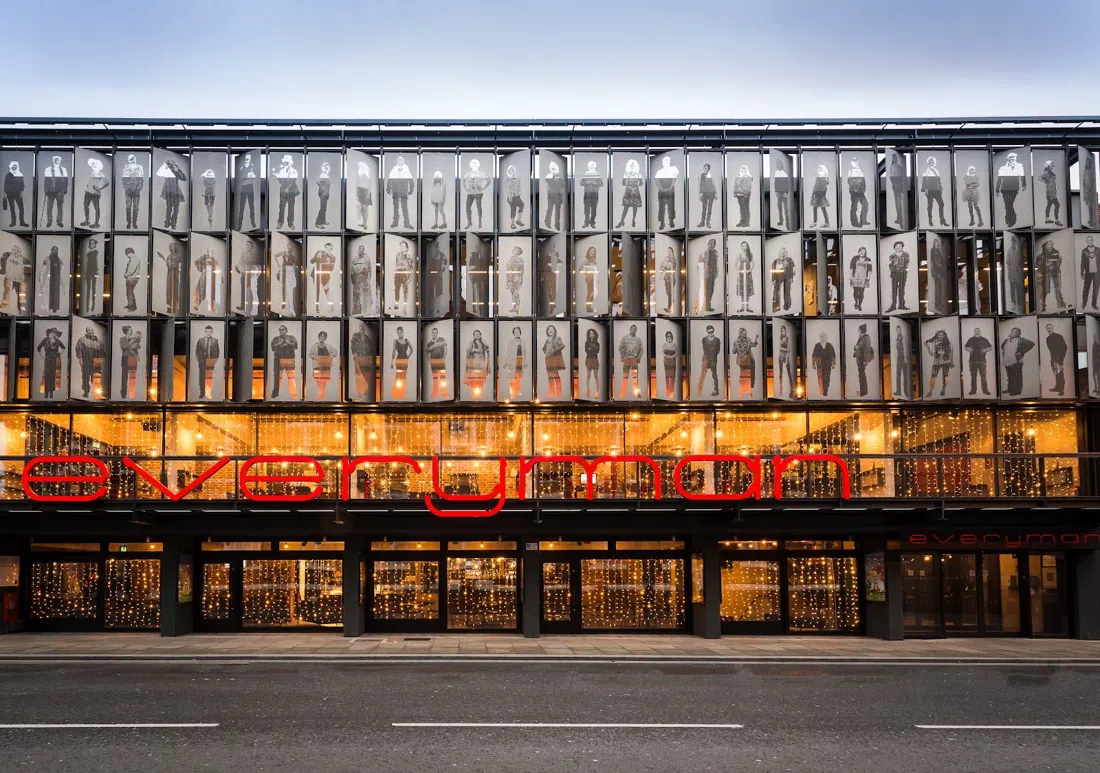
Toward the Metropolitan end, the Everyman Theatre (Hope Street, Metropolitan Cathedral end) is worth a look for its 2014 rebuild's facade alone — a wall of portraits of local people, cast in metal, that has nothing to do with either cathedral and gives the street a jolt of something contemporary right before you reach Christ the King. Its full 2026 season is running, and group ticket rates are available direct through the box office, roughly £15-£45 depending on the production.
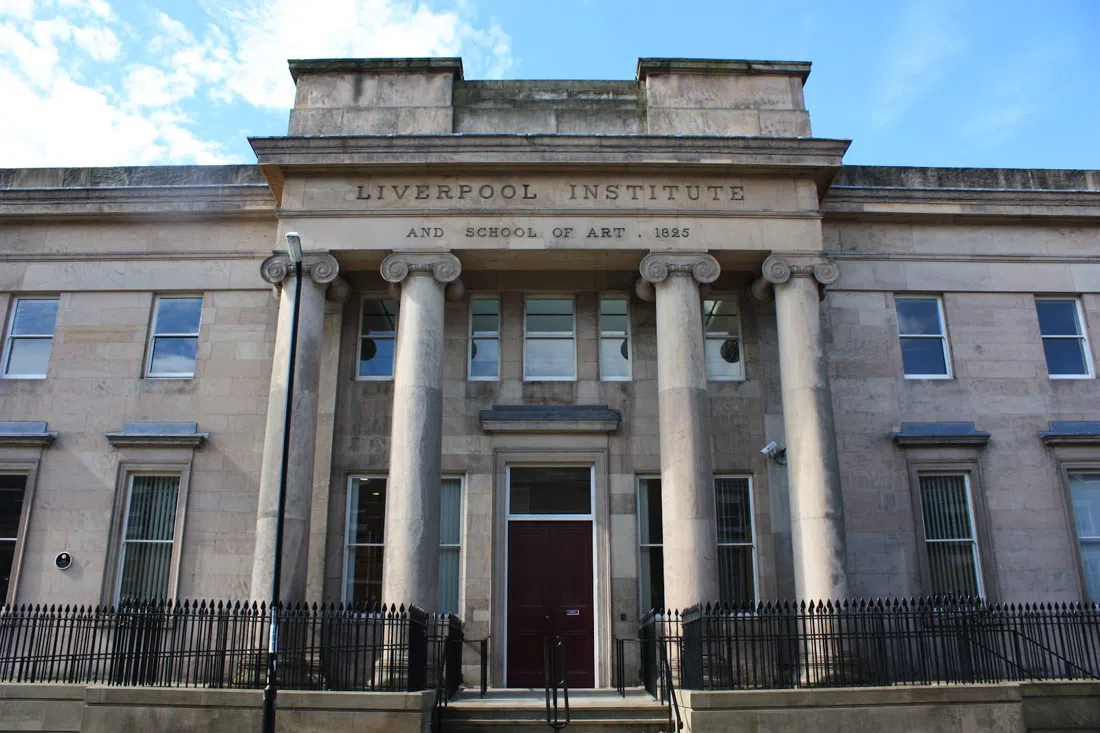
One landmark on this stretch asks for restraint rather than a visit: the Liverpool Institute for Performing Arts (LIPA) (off Hope Street), refounded in 1996 in a building whose most famous former pupil is Paul McCartney. It's a working college, not an attraction — there's no casual walk-in, and group visits have to be arranged well ahead through LIPA's widening-participation team. Photograph the exterior and don't plan on getting past the door without that arrangement already in place; groups that turn up expecting entry will be turned away.
Eating and Drinking En Route
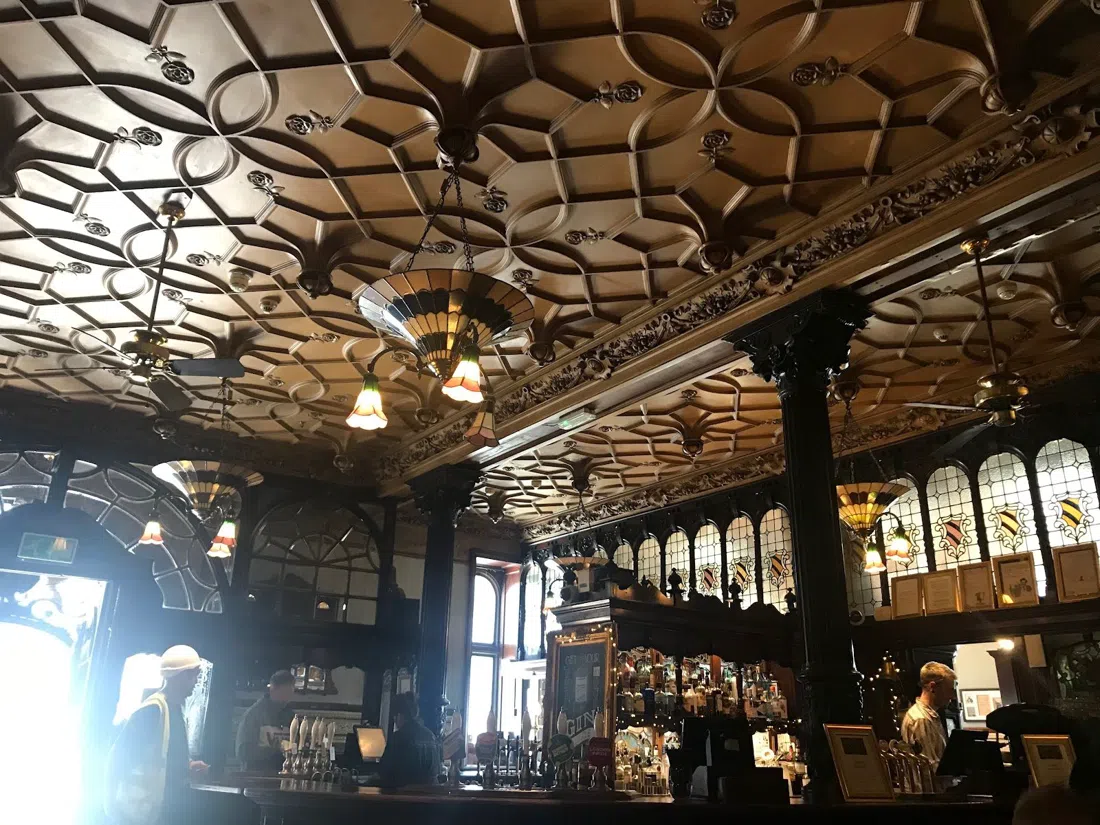
Split the walk with The Philharmonic Dining Rooms (Hope Street, opposite the Philharmonic Hall) — often called the most ornate pub in England, a claim that stops sounding like hyperbole once you're inside the tiled, carved rooms. It's a large, multi-room pub well used to groups, though table booking is worth doing for bigger parties. Expect pub food and drink at roughly £15-25 per person; it opens daily from 11am and is still very much trading in 2026.
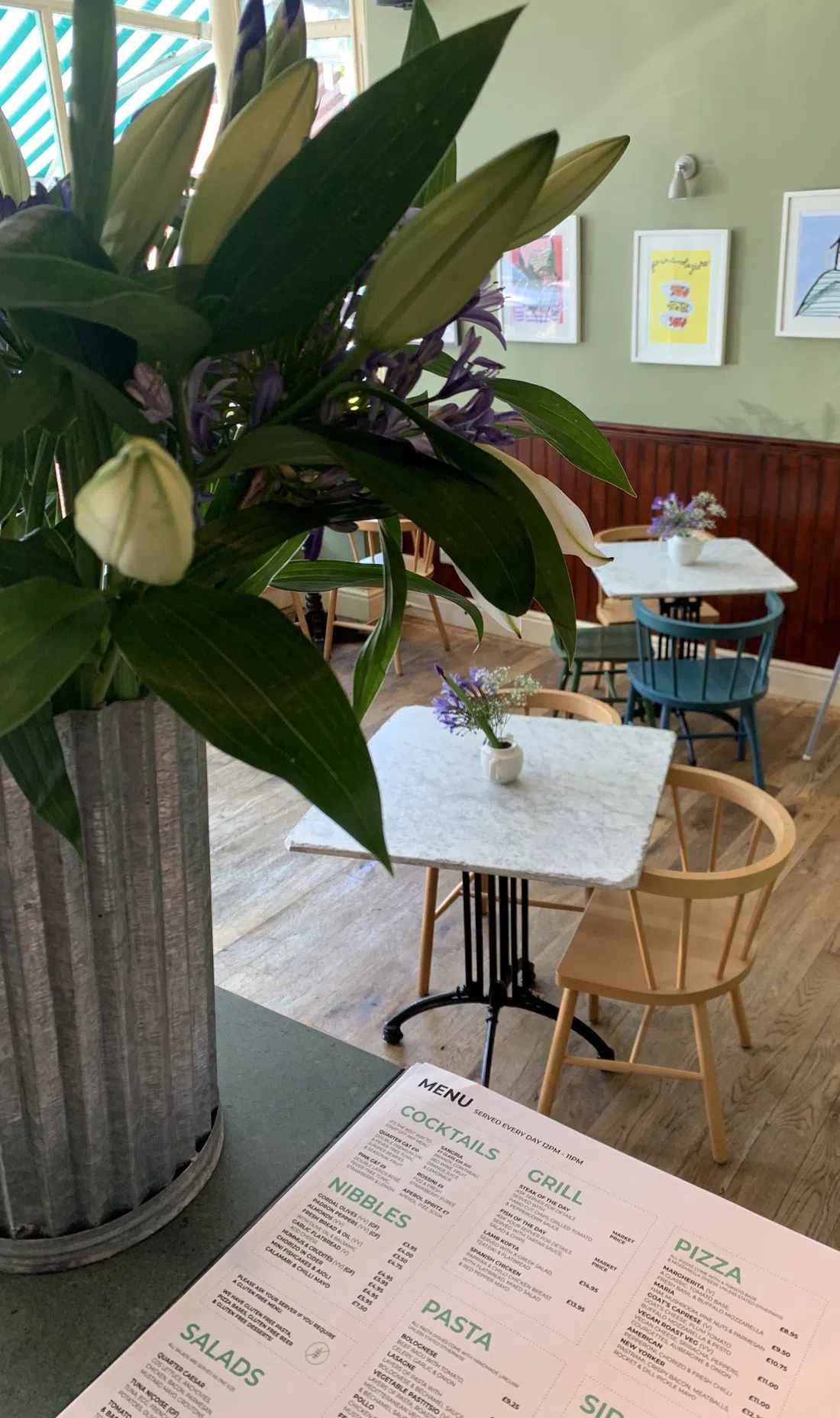
For something calmer, The Quarter (Falkner Street, off Hope Street) is a family-run restaurant that's been on this patch since 2003 — two decades of continuous trading give it a settled, neighbourhood feel that the busier Beatles-trail restaurants further into town don't have. It takes group and private-hire bookings directly, mains run roughly £15-25, and it works equally well as a lunch stop between cathedrals or a sit-down dinner after.
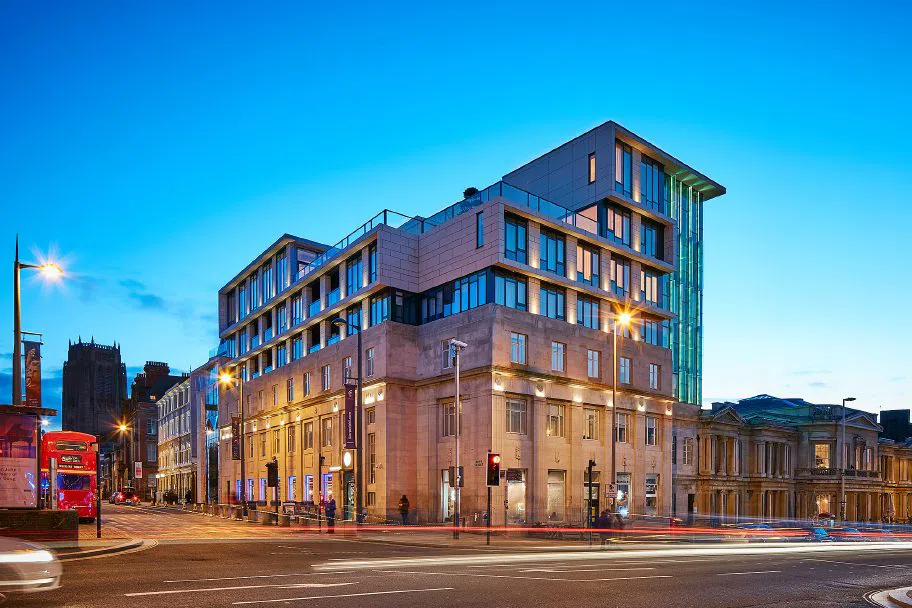
If you'd rather stay on the street itself, Hope Street Hotel (mid Hope Street) sits almost exactly between the two cathedrals and takes group bookings for both dining and accommodation — call ahead for larger parties. Rooms start from around £150 a night and the restaurant's mains run roughly £20-35; as a base it puts you within a few minutes of both ends of the street, which matters more here than in most cities given the whole point of the visit.
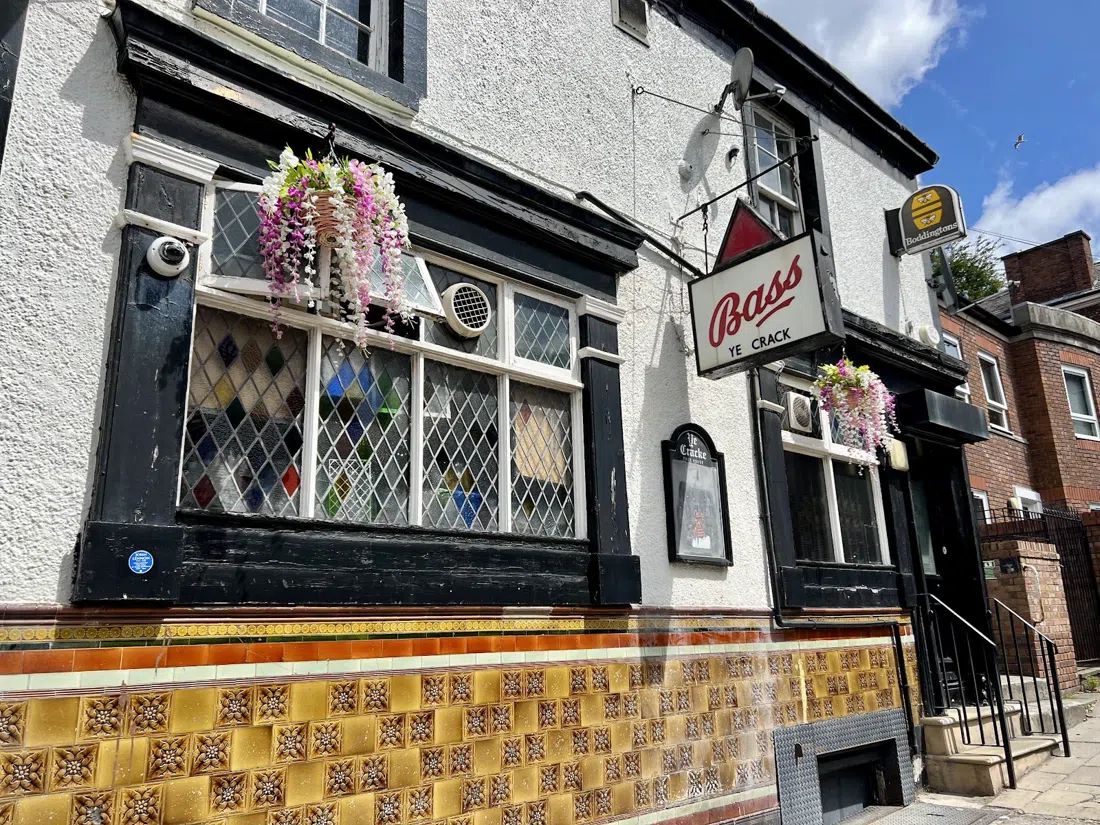
For a quieter pint, Ye Cracke (Rice Street, off Hope Street) reopened in February 2026 after a £200,000 refurbishment. It's small — the rooms genuinely limit numbers, fine for groups of four to eight but worth a call ahead for anything bigger — and it makes a deliberately low-key alternative to the busier Beatles-trail pubs a few streets over.
Two Quieter Churches, for Scale
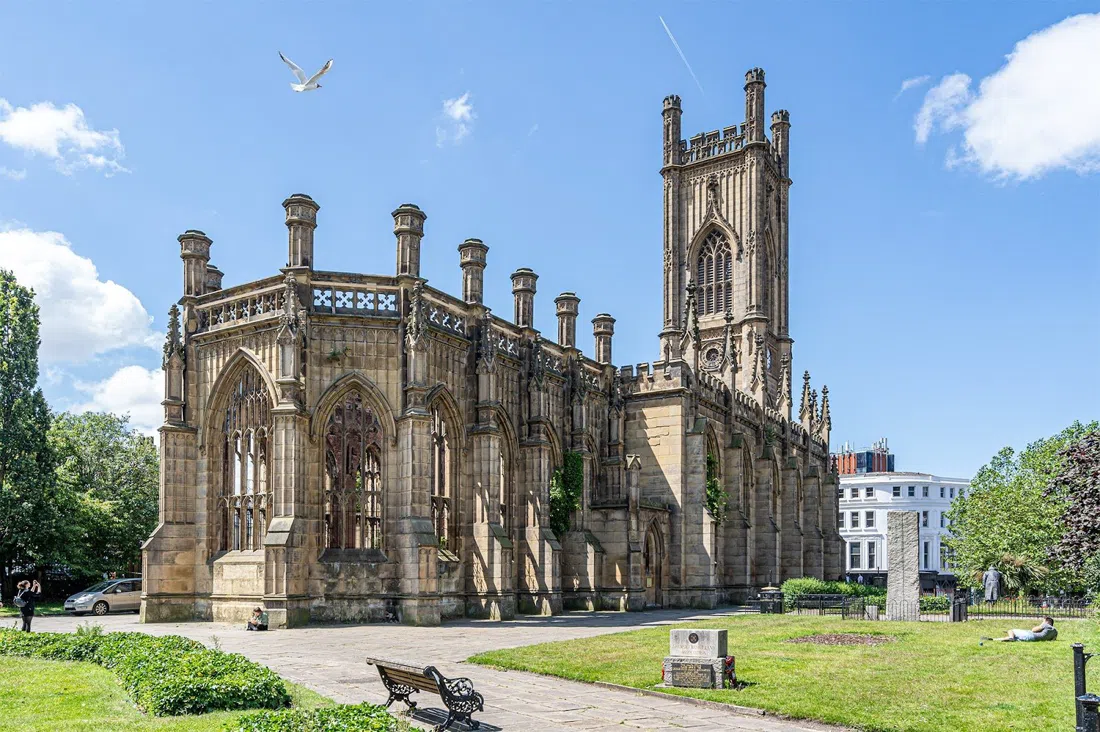
Five minutes off the top of Hope Street, at Leece Street and Berry Street, St Luke's 'Bombed Out' Church (Leece St/Berry St) is a third religious building worth the short detour — a church left roofless since the war and now used as a garden and arts venue. The grounds are free and open to groups any time between 8am and 6pm; the interior ruin itself is accessible Thursday to Sunday daytime only, and can close for private events, so it's worth confirming before bringing a group. Standing inside it does something the two cathedrals can't: it's a visible reminder of the same war damage that also slowed the Anglican cathedral's build, left here as a ruin rather than restored.
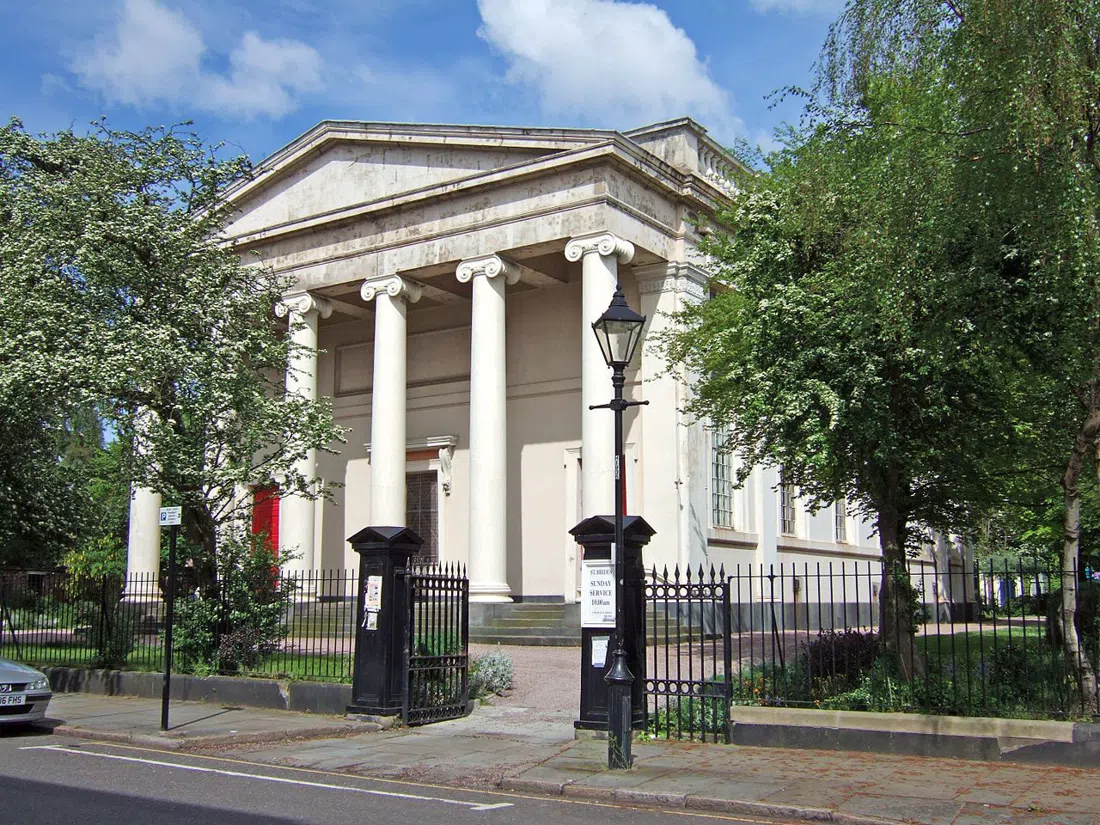
A street away, St Bride's Church (off Hope Street) is the deliberate contrast note. It's a small parish church, welcoming to small groups, best contacted ahead if you want more than a quiet look inside — and standing next to either of the two giants after seeing St Bride's is the fastest way to feel the actual scale of what's been built on this one hill.
Practical Guide
Getting there. Liverpool Lime Street station is around a 15-20 minute walk from Liverpool Cathedral, mostly uphill via Duke Street or Rodney Street — an easy option without luggage. With bags, or in the rain, a short taxi from the station to either cathedral is the better call.
Timing. Give yourself at least two hours for both cathedrals and the walk between them, more with a tower ticket or a tour. Saturday 11:30am is worth building a day around — that's when the Metropolitan Cathedral's free tour runs with no booking needed. Both cathedrals open from 7:30-8am and close at 6pm daily in 2026, so this isn't an after-dinner plan: arrive with the morning or early afternoon ahead of you.
Cash and cards. General entry to both cathedrals is free — the only charges are optional, Liverpool Cathedral's tower ticket (roughly £5-£12) and the Metropolitan's suggested £5pp tour donation. Cards are accepted everywhere on Hope Street itself, in the pubs, restaurants and the hotel, but it's worth carrying a little cash for the donation box.
Budget. A no-frills version of the walk — both cathedrals' free general entry, a coffee, no tower ticket — costs nothing beyond food. Add the Anglican tower ticket and a pub lunch at the Philharmonic Dining Rooms and you're looking at roughly £25-35 per person for the day (very roughly $32-45 or €30-42 at 2026 rates).
Where to stay. For a base within walking distance of both cathedrals, see Liverpool hotel search; for the rest of the city beyond Hope Street, the Liverpool guide covers it.